Sustainable Bedside Lamps: Lighting with Conscience
Examining eco-friendly materials, energy efficiency, and repairability in modern lighting design.
The Environmental Impact of Lighting
For decades, household lighting represented a massive drain on electrical grids, with traditional incandescent bulbs converting only a tiny fraction of their consumed energy into light, wasting the rest as heat. While the widespread adoption of LED technology has largely solved the energy consumption problem at the bulb level, the manufacturing and disposal lifecycle of the lamp fixture itself remains an environmental concern.
Sustainable bedside lamps attempt to address this entire lifecycle. True sustainability in lighting is not merely about how much electricity the lamp draws while plugged in; it encompasses the origin of the raw materials, the toxicity of the manufacturing process, the longevity of the design, and the ultimate fate of the lamp when it reaches the end of its useful life.
Eco-Conscious Materials
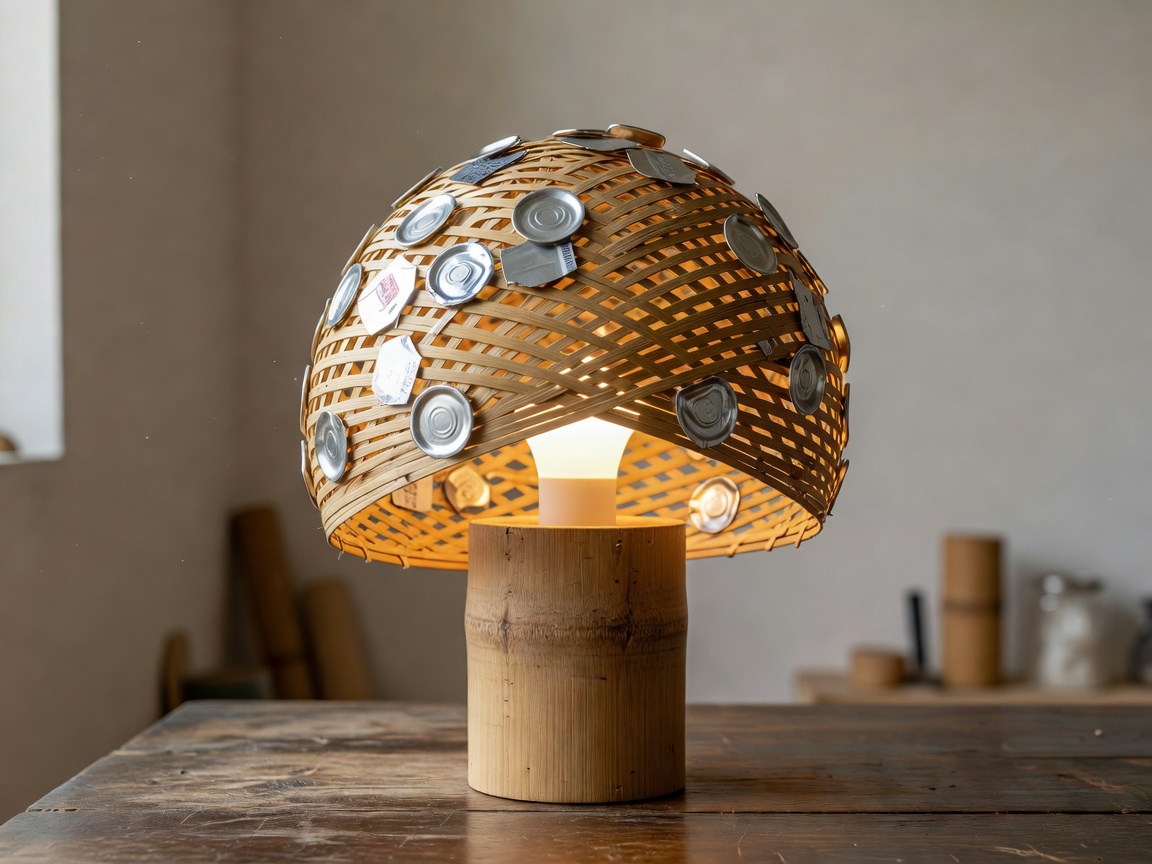
A primary pillar of sustainable lighting is the shift away from virgin plastics and heavily processed metals in favor of renewable, recycled, or upcycled materials.
- Bamboo and Cork: These are rapidly renewable resources. Bamboo, in particular, grows exponentially faster than hardwood trees and can be harvested without killing the root system, making it an excellent structural material for lamp bases.
- Recycled Plastics and Glass: Many forward-thinking design houses are now molding lamp bodies from ocean-bound plastics or crushing post-consumer glass to create beautiful, terrazzo-like bases, diverting waste from landfills.
- FSC-Certified Woods: When traditional woods are used, sustainable lamps source materials certified by the Forest Stewardship Council, ensuring the timber was harvested responsibly without contributing to deforestation.
Advantages
- Significantly lower carbon footprint
- Supports ethical manufacturing practices
- Unique, organic aesthetic textures
- Promotes non-toxic indoor air quality
Considerations
- Often carries a premium price tag
- Natural materials may show variations in color
- Limited availability in mainstream big-box stores
- May require gentler cleaning methods
Longevity and Repairability
The most sustainable lamp is the one you never have to throw away. The "fast furniture" trend has resulted in millions of cheap lamps ending up in landfills due to broken switches or frayed cords that cannot be accessed or repaired. Sustainable lighting prioritizes modularity. High-quality fixtures use standardized parts, visible screws rather than hidden glues, and easily replaceable electrical harnesses.
When assessing a lamp for sustainability, look closely at the light source. While integrated LEDs are incredibly energy-efficient and offer long lifespans (often rated for 50,000 hours), once the diode array fails, the entire fixture is usually rendered useless. A more sustainable approach is a robust, repairable fixture utilizing a standard socket (such as an E26 base) paired with a high-efficiency replaceable LED bulb. This ensures that a burned-out bulb doesn't dictate the death of the entire lamp.
Certifications to Look For
Navigating sustainable claims requires vigilance to avoid greenwashing. When shopping for sustainable bedside lamps, look for third-party verifications. Energy Star certification ensures the electrical components meet strict efficiency guidelines. RoHs compliance guarantees that hazardous materials like lead and cadmium were not used in the manufacturing of the electronics. Additionally, B-Corp certification of the manufacturing company indicates a broader commitment to environmental and social transparency across their entire operation.