Smart Bedside Lamps: Connecting Your Sleep Environment
Investigating automated scheduling, voice control integration, and tunable color temperatures for optimal sleep hygiene.
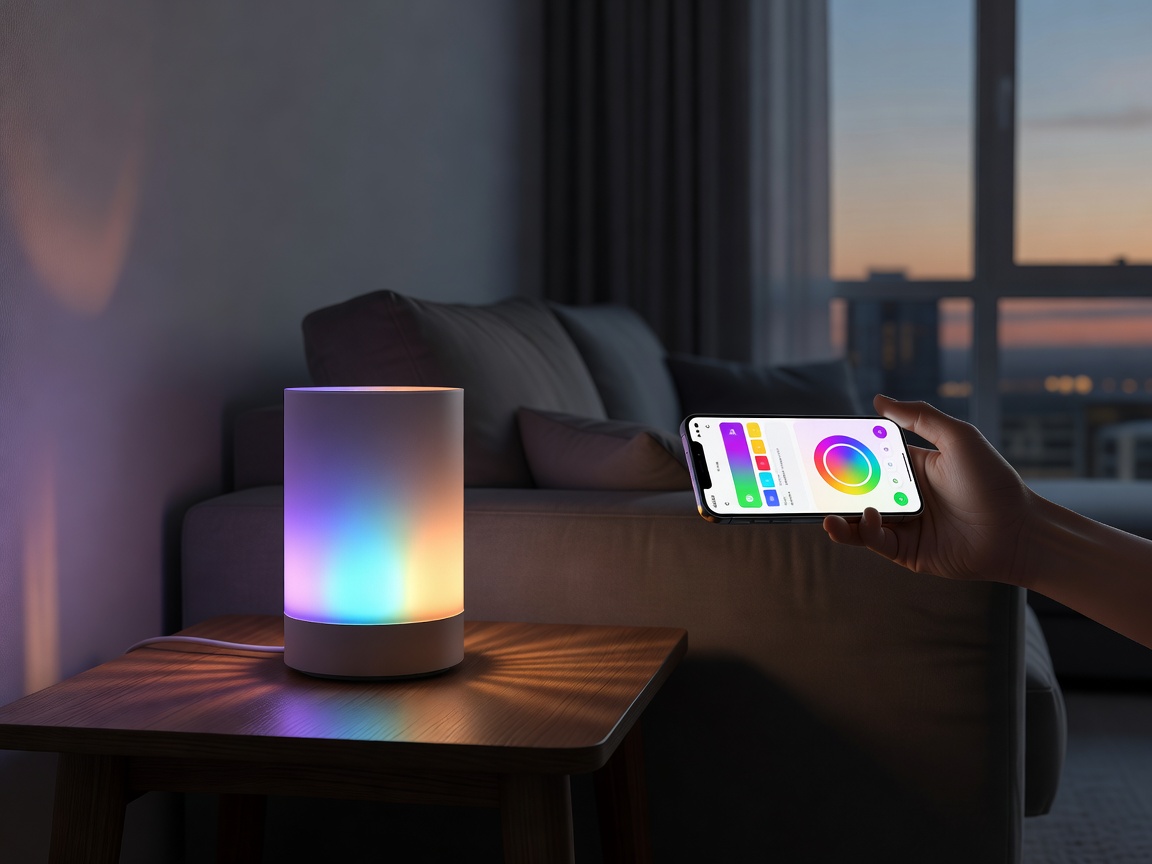
The Shift Toward Connected Lighting
The traditional bedside lamp is a simple closed circuit: you flip a switch, and power flows to the bulb. Smart bedside lamps introduce microprocessors and wireless connectivity to this ecosystem, transforming a static light source into a dynamic environmental control tool. By linking your bedside lighting to local Wi-Fi networks or Bluetooth protocols, these devices allow for unprecedented manipulation of your sleeping environment.
Smart lighting operates on the principle that static lighting is unnatural. Before artificial lighting, human activity was dictated by the rising and setting of the sun—a dynamic shift in both intensity and color temperature over the course of the day. Connected lamps attempt to simulate this natural progression indoors.
Circadian Rhythm Support
Perhaps the most significant health benefit of smart bedside lamps is their ability to support human circadian rhythms. Our brains rely on environmental light cues to regulate the production of melatonin, the hormone responsible for inducing sleep. Exposure to blue-spectrum light in the evening suppresses melatonin production, making it harder to fall asleep.
Smart lamps address this through tunable white technology. Users can program the lamp to output a bright, cool, blue-tinted white (e.g., 5000K) during morning hours to promote alertness, and automatically shift to a dim, warm, amber-tinted light (e.g., 2200K) in the hours leading up to bedtime. Many companion applications offer a "wind-down" routine that gradually dims the light to zero over a thirty-minute period, mimicking a sunset.
| Time of Day | Target Color Temp (Kelvin) | Biological Effect |
|---|---|---|
| Morning Wake (7 AM) | 4500K - 5500K | Cortisol release, alertness |
| Daytime Use | 3500K - 4000K | Neutral focus, task visibility |
| Evening Wind Down | 2700K - 3000K | Relaxation, standard ambient |
| Pre-Sleep (10 PM) | 2000K - 2400K | Melatonin production, sleep readiness |
Connectivity and Ecosystems
When selecting a smart bedside lamp, the underlying protocol is a critical consideration. Wi-Fi enabled lamps connect directly to your home router, allowing them to be controlled remotely from outside the house. Bluetooth lamps offer direct phone-to-lamp connectivity, which can be more reliable if your home Wi-Fi is spotty, but restricts control to local proximity.
Furthermore, ecosystem compatibility dictates how seamlessly the lamp integrates with other devices. The major ecosystems to consider are standard voice assistants and home automation platforms. Choosing a lamp that supports widely adopted interoperability standards ensures that your investment won't become obsolete if you switch smartphone operating systems in the future.
Advantages
- Automated sleep and wake schedules
- Hands-free voice control from bed
- Infinite color and brightness combinations
- Integration with other smart home triggers
Considerations
- Requires reliable internet/network connection
- Privacy concerns regarding microphone and app data
- Often lack intuitive physical controls
- Higher upfront cost than standard lamps
Privacy and Practicality
It is important to acknowledge the privacy implications of placing network-connected devices in the bedroom. Review the privacy policies of the companion applications to understand what data is being collected regarding your usage habits. Additionally, consider the physical practicality of the lamp: if the Wi-Fi drops, does the lamp have a physical override button? The most robust smart lamps feature physical touch panels that retain basic functionality independent of network status.