Ambient Bedside Lamps: Sculpting the Bedroom Atmosphere
Exploring the art of diffused lighting, material interplay, and warm color temperatures to transform your bedroom into a sanctuary of relaxation.
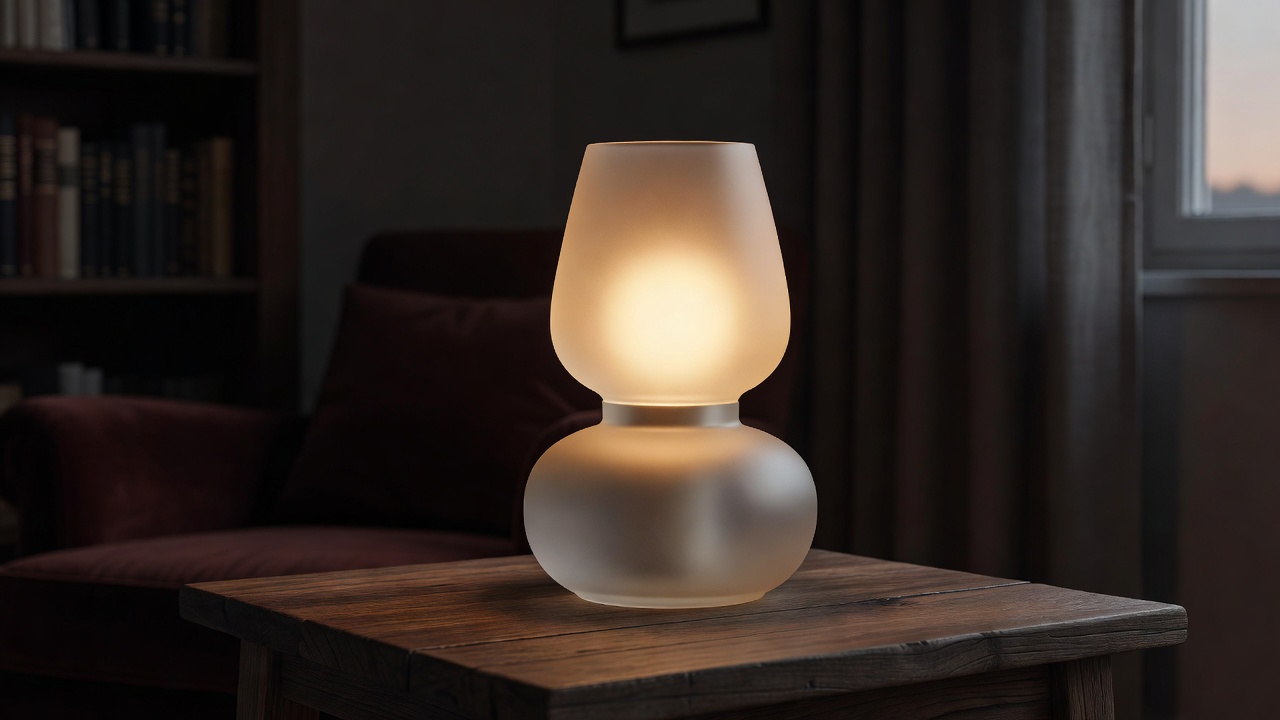
The Philosophy of Ambient Lighting
Unlike reading lamps, which exist to solve the functional problem of visibility, ambient bedside lamps are designed to address an emotional requirement: the creation of a relaxing atmosphere. The bedroom is a transitional space where the mind requires environmental cues to shift from the high-stress alertness of the workday into a state of restorative calm. Ambient lighting facilitates this psychological down-shift.
Ambient lighting operates by eliminating harsh shadows and stark contrasts within a room. Rather than directing a harsh beam of light at a single point, ambient lamps scatter light spherically. This gentle dispersion washes adjacent walls and ceilings in a soft, low-intensity glow, making the physical boundaries of the room feel less confining and more welcoming.
Diffusers and Materials
The success of an ambient lamp rests almost entirely on its diffusion mechanism. The raw light emitted by a bulb is inherently harsh; it is the job of the lampshade or housing to scatter those photons into a pleasing glow.
- Fabric Shades: Traditional linen, cotton, and silk shades offer excellent diffusion. The weave of the fabric acts as a physical barrier, softening the light while adding texture to the room. Darker fabrics absorb more light and create moodier environments, while white or cream fabrics maximize light transmission.
- Frosted and Opal Glass: Glass that has been acid-etched or sandblasted obscures the filament of the bulb, resulting in a continuous, even surface of light. Opal glass, which incorporates bone ash or synthetic alternatives during manufacturing, is particularly prized for its milky, cloud-like glow.
- Paper and Washi: Drawing inspiration from traditional Japanese lanterns, paper diffusers cast an incredibly soft, warm light. The organic inconsistencies in the paper fibers create subtle, engaging patterns on surrounding surfaces.
Advantages
- Reduces anxiety and promotes relaxation
- Eliminates harsh shadows in the bedroom
- Serves as a highly decorative room element
- Flattering light for skin tones and textiles
Considerations
- Generally inadequate for prolonged reading
- Can take up significant nightstand space
- Fabric and paper shades are difficult to clean
- May require supplemental task lighting
Color Temperature and Dimming
For ambient bedroom lighting, the color temperature of the bulb is non-negotiable: it must be warm. Look for bulbs rated between 2200K and 2700K. This range mimics the soothing glow of firelight or a setting sun. Cool white bulbs (3000K and above) will counteract the relaxing intent of the lamp, making the bedroom feel sterile or clinical.
Equally important is the inclusion of a dimming mechanism. True ambient lighting is highly dependent on context; the amount of light required at 7:00 PM is vastly different from the amount required at 11:30 PM. An ambient lamp equipped with a rotary dimmer or a touch-sensitive base allows the user to manually scale back the room's energy levels in tandem with their own biological clock, easing the transition into deep sleep.
Balancing Decor and Function
Because ambient lamps are rarely repositioned, their static form plays a massive role in bedroom decor. They are often larger and more sculptural than their task-oriented counterparts. When selecting an ambient lamp, consider it as a piece of art that happens to emit light. Ensure its unlit appearance complements your bedding, wall color, and overall design aesthetic just as much as its nighttime glow.