Reading Bedside Lamps: Illuminating the Page
Analyzing focus, flexibility, and the reduction of ocular fatigue for the avid nighttime reader.
The Mechanics of Task Lighting
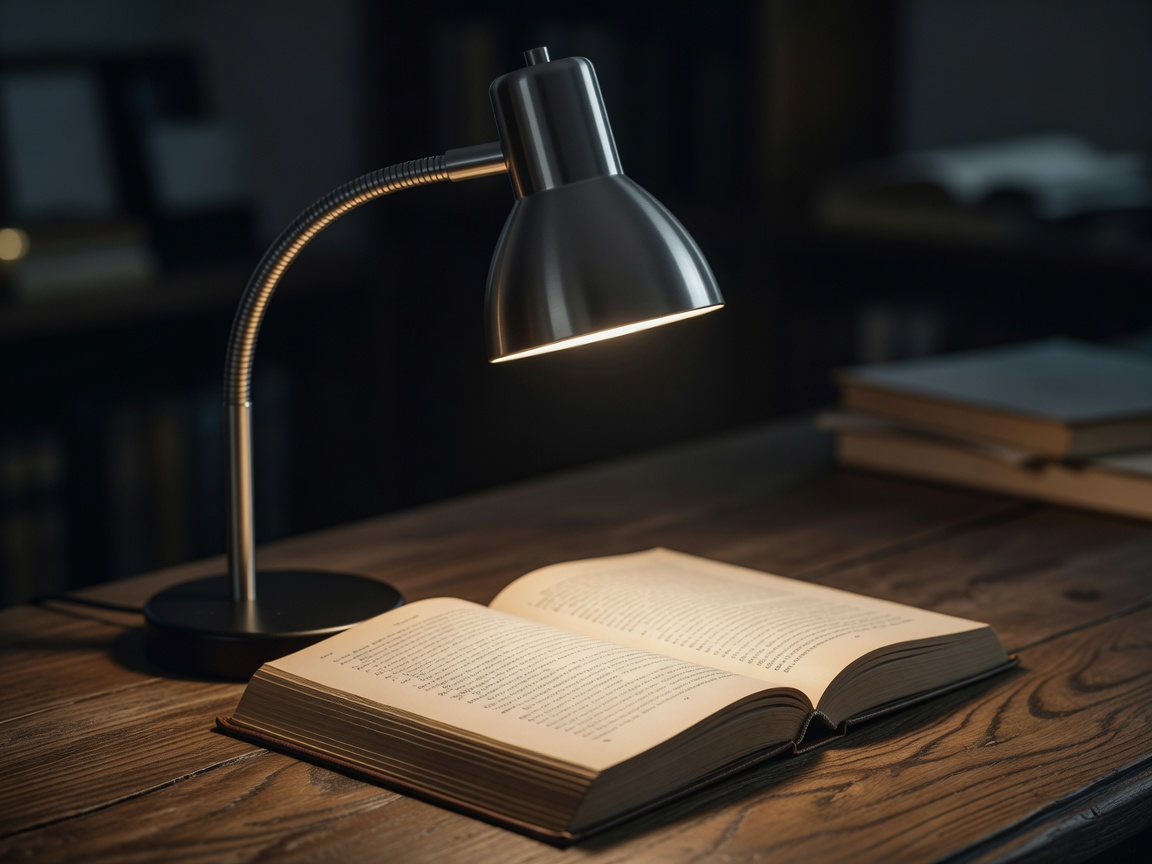
While ambient lamps are designed to throw light evenly in all directions to fill a space, a reading bedside lamp is a specialized piece of equipment designed for task lighting. Its primary directive is to deliver a highly concentrated pool of light onto a specific surface—the pages of your book or the screen of your e-reader—while simultaneously minimizing light spill that could disturb a sleeping partner.
Attempting to read under improper lighting conditions forces the ciliary muscles in the eyes to work overtime as they struggle to maintain focus in low contrast environments. Over time, this leads to asthenopia (eye strain), characterized by headaches, blurred vision, and dry eyes. A dedicated reading lamp mitigates these issues by providing adequate lux (the measure of illuminance) precisely where it is needed.
Flexibility and Articulation
Because humans naturally shift positions while reading in bed—moving from sitting upright to reclining—the light source must be able to adapt. The physical design of the lamp arm is critical to its success as a reading tool.
- Gooseneck Lamps: These feature a flexible metal spine that can be twisted and bent in almost any direction. They offer supreme adjustability but sometimes suffer from "droop" if the head of the lamp is too heavy for the neck's tension.
- Swing-Arm Lamps: Built with rigid metal segments connected by tension hinges, swing-arm lamps provide a more structural, architectural aesthetic. They are highly stable and maintain their position perfectly once set.
- Swivel Heads: Some reading lamps feature a rigid vertical stand but possess a head unit that can pivot on a ball joint. This provides a clean aesthetic while still allowing directional control of the beam.
Advantages
- Sharply reduces visual fatigue and eye strain
- Concentrated beam avoids disturbing partners
- Highly adjustable to match seating positions
- Often features easily accessible base switches
Considerations
- Provides poor overall room illumination
- Can create harsh shadows if positioned incorrectly
- Mechanical hinges require occasional tightening
- Often have an overtly utilitarian appearance
Technical Requirements: Lumens and CRI
To ensure comfortable reading, a bedside lamp should output roughly 400 to 500 lumens. This provides sufficient brightness for standard text on white paper. If the light is too dim, contrast suffers; if it is too bright, the resulting glare reflecting off the page will cause immediate fatigue. This makes dimming capabilities a highly desirable feature in reading lamps, allowing the user to dial in the exact intensity required based on the ambient room light.
Another crucial metric is the Color Rendering Index (CRI), which measures a light source's ability to reveal the colors of objects faithfully in comparison to a natural light source. For reading, a lamp with a CRI of 90 or above is recommended. High CRI lighting increases visual clarity and contrast, making the delineation between dark text and light paper much sharper to the human eye, thereby facilitating longer, more comfortable reading sessions.
Positioning Your Reading Lamp
The placement of a reading lamp is just as important as the hardware itself. The light source should ideally be positioned slightly behind and to the side of the reader. If the lamp sits in front of the book, it will cause glare to bounce directly into the eyes. If it sits too far away, the inverse square law of light dictates that the illumination hitting the page will drop off dramatically. Ensure your nightstand allows the lamp base to sit within roughly twenty inches of your reading material.