Modern Bedside Lamps: Form and Function
Navigating the minimalist aesthetics, structural materials, and stark geometries that define contemporary bedroom lighting.
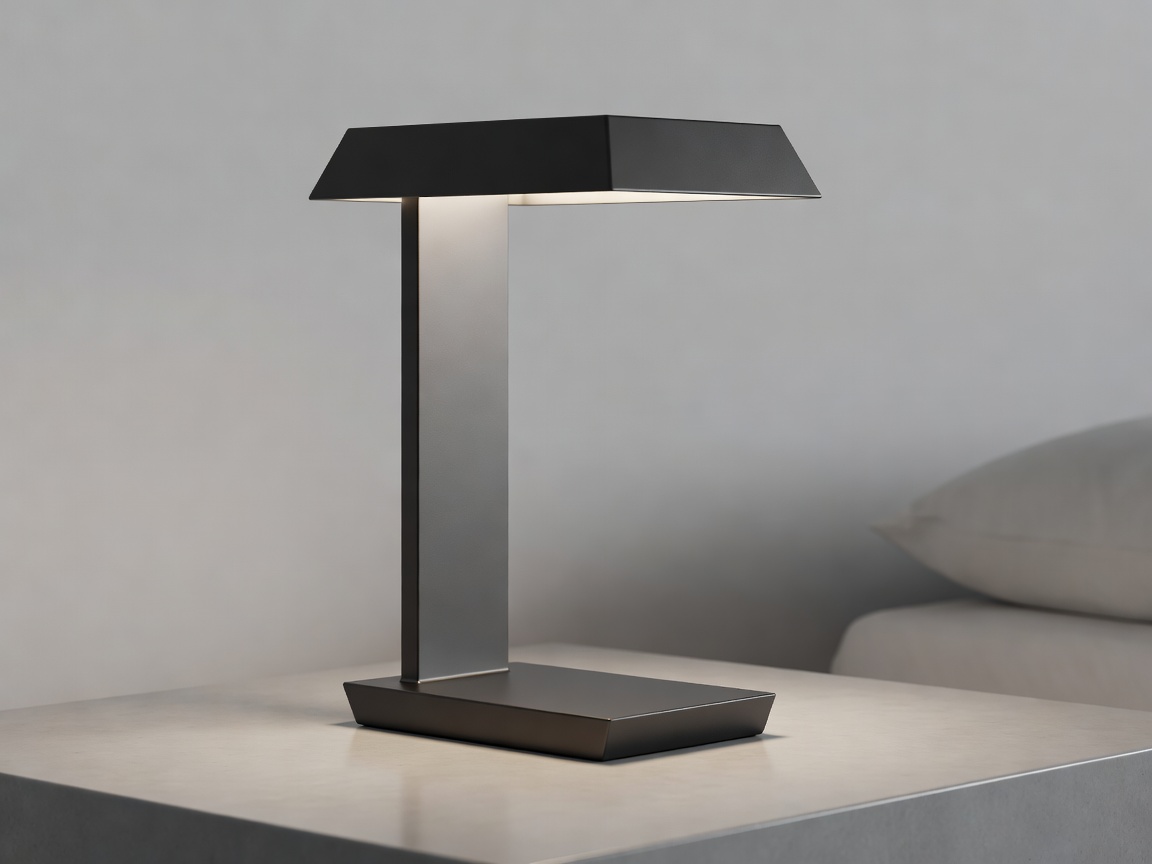
The Rise of Contemporary Lighting
Modern design in lighting is fundamentally characterized by a departure from ornate detailing. While traditional lamps often feature elaborate bases, fluted columns, and heavily pleated fabric shades, modern bedside lamps strip away these decorative excesses. Instead, they emphasize clean lines, geometric silhouettes, and the honest exposure of structural materials.
This approach to design stems from early twentieth-century movements like Bauhaus, which famously championed the principle that form should follow function. Today, a modern bedside lamp is expected to serve as a sculptural element within the bedroom just as much as it serves as a light source. Its visual weight is carefully calculated to balance against low-profile platform beds and minimalist nightstands.
Materials Defining the Modern Aesthetic
The material palette of contemporary bedside lamps is distinct and heavily relies on industrial and synthetic materials rather than traditional ceramics or carved woods.
- Metals: Brushed nickel, matte black powder-coated steel, and raw brass are foundational. They offer structural rigidity allowing for incredibly slender profiles and cantilevered designs that appear to defy gravity.
- Glass: Rather than faceted crystal, modern lamps favor blown opal glass, smoked glass, or clear structural cylinders. The glass is often treated to diffuse light evenly without relying on a traditional shade.
- Concrete and Terrazzo: Heavy, raw bases cast from concrete provide a brutalist anchor to delicate metal armatures, offering a tactile contrast that is highly sought after in modern interior styling.
Advantages
- Reduces visual clutter in small spaces
- Easier to clean due to smooth surfaces
- Highly durable construction materials
- Integrates easily with smart bulb technology
Considerations
- Can feel visually "cold" in cozy spaces
- Exposed bulbs may cause glare if positioned poorly
- Fingerprints show easily on metallic finishes
- Often lacks traditional pull-chain switches
Integration into Bedroom Decor
Placing a modern lamp in a bedroom requires an understanding of scale and proportion. Because modern lamps often utilize slender rods and negative space, they can appear undersized if placed on an oversized, heavy wooden nightstand. Conversely, pairing a bold, brutalist concrete lamp with a delicate floating shelf may cause visual imbalance.
When selecting a modern fixture, pay close attention to the light distribution. Many modern designs rely on opaque metal domes or cylinders that cast light exclusively downward (directional lighting) or upward (ambient washing). If your primary goal is reading, ensure the modern fixture you choose articulates or directs a sufficient cone of light toward your pillows, rather than strictly washing the adjacent wall.
Technical Specifications and Bulb Types
Modern aesthetics heavily influence the internal electronics of the lamp. The drive toward ultra-thin profiles means that traditional standard-base (E26) bulbs are frequently abandoned in favor of integrated LED arrays. While integrated LEDs allow for incredibly slim halo rings, flat panels, and continuous light ribbons, they do present a drawback regarding repairability; when the LED array eventually fails, the entire lamp usually must be replaced.
If you prefer a modern style but want the flexibility of replaceable bulbs, look for fixtures specifying G9 bi-pin sockets or E12 candelabra bases, which are compact enough to fit inside sleek modern housings while still allowing you to swap out bulbs based on your preferred color temperature.